
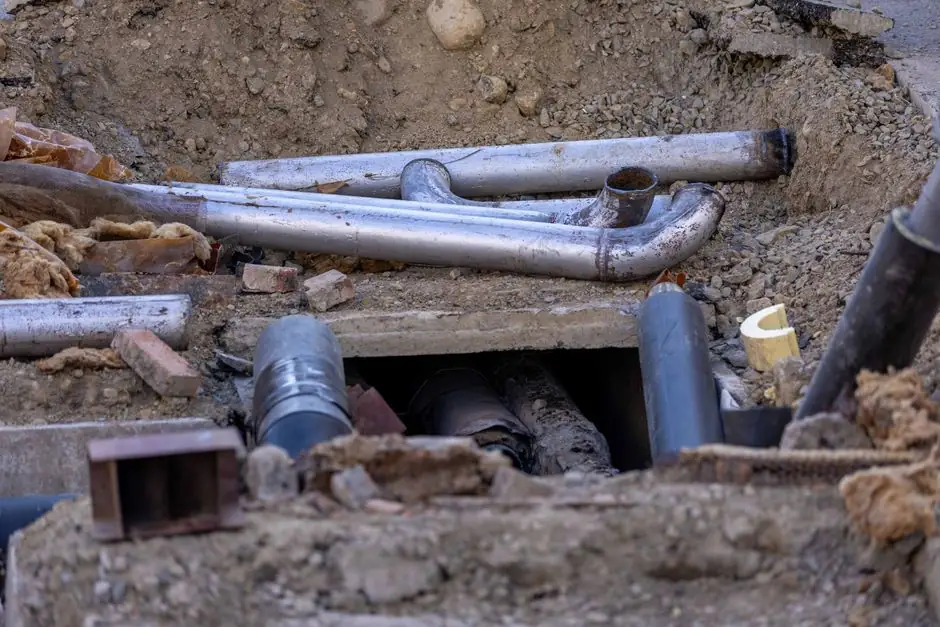
A burst pipe can lead to significant water damage in your home, requiring immediate action to mitigate the effects. The first two steps are to shut off your water supply and assess the damage to prevent further issues. This article outlines the critical actions you need to take right after a pipe bursts in Buffalo, Minnesota.
Emergency water damage cleanup is the process of removing water and restoring affected areas after a plumbing failure. Quick responses can save you from costly repairs and extensive damage.
What to Do Immediately After a Pipe Bursts
The first step after discovering a burst pipe is to turn off the water supply to your home. Locate the main shut-off valve, usually found in your basement or near the water meter, and turn it clockwise. This action helps prevent additional water from flooding your space.
Next, you should assess the situation. Look for signs of water pooling, especially in areas like basements or lower levels of your home. Knowing where the water is accumulating will help you plan your cleanup strategy effectively.
How to Assess the Damage
Once the water is turned off, check for visible damage. Look for wet walls, ceilings, and floors. If the burst pipe is in an accessible area, inspect it to determine the extent of the break. Documenting the damage with photos can be beneficial for insurance claims later.
- Check for mold growth, which can begin within 24 hours.
- Examine your belongings for water damage, including furniture and personal items.
- Assess any electrical hazards, especially if water has reached outlets or wiring.
Steps for Emergency Water Damage Cleanup
After assessing the damage, it's time to begin the cleanup process:
- Remove standing water: Use a wet/dry vacuum or buckets to remove as much water as possible. If the area is extensive, consider contacting a professional for emergency water damage cleanup Buffalo MN.
- Dry out the area: Open windows and doors to increase airflow. Use fans and dehumidifiers to help dry the space. This process can take several days, depending on the extent of the water damage.
- Remove damaged materials: If walls, carpets, or insulation are soaked, they may need to be removed. Mold can develop quickly, so it's essential to act fast.
- Clean and disinfect: After drying, clean any surfaces that were affected by water. Use a mixture of water and bleach to disinfect areas to prevent mold growth.
Common Mistakes to Avoid
Many homeowners make critical errors during the cleanup process. Avoid these common mistakes:
- Not shutting off the water supply immediately, leading to more extensive damage.
- Delaying the cleanup, which can lead to mold growth and structural damage.
- Using electrical appliances in wet areas, risking electrocution.
- Not documenting damage for insurance claims, which can complicate recovery efforts.
When to Call a Professional
If the damage is extensive or if you feel overwhelmed, it's best to call a professional. At Buffalo Pipe Pros, we specialize in burst pipe water damage Buffalo MN and can help you restore your home quickly and efficiently.
Frequently Asked Questions
1. How long does it take to dry out a room after water damage? Drying a room can take anywhere from 24 hours to several days, depending on the extent of the water damage.
2. What should I do if I notice mold? If you see mold, it's crucial to address it immediately. Small patches can be cleaned with a bleach solution, but larger infestations may require professional help.
3. Is it safe to stay in my home after a pipe bursts? Safety depends on the extent of the damage. If there are electrical hazards or significant flooding, evacuate until the area is safe.
4. Will my insurance cover water damage from a burst pipe? Coverage varies by policy. It's essential to review your insurance policy and document all damage for claims.
5. How can I prevent future pipe bursts? Regular maintenance, such as insulating pipes during winter and performing leak detection, can help prevent bursts.